- Financial Fluency
- Posts
- The Language of Money: 6 American and British Money Idioms
The Language of Money: 6 American and British Money Idioms
Why Digital Payments Shouldn't Erase Our Richest Expressions

Iain Shirlaw
February 06, 2026
Welcome to Financial Fluency - your weekly guide to mastering financial English, learning how money works, and making confident financial choices.
In this issue:
A Look at the Markets: Performance January 2026
The Language of Money: 6 American and British Money Idioms
Quote of the Day: Benjamin Franklin
We value your feedback
Word of the Day: Digital Payments
Interactive Quiz
Whenever you are ready, here is how I can help you

A Look at the Markets: Performance January 2026
Vanguard FTSE All-World ETF (Accumulating)
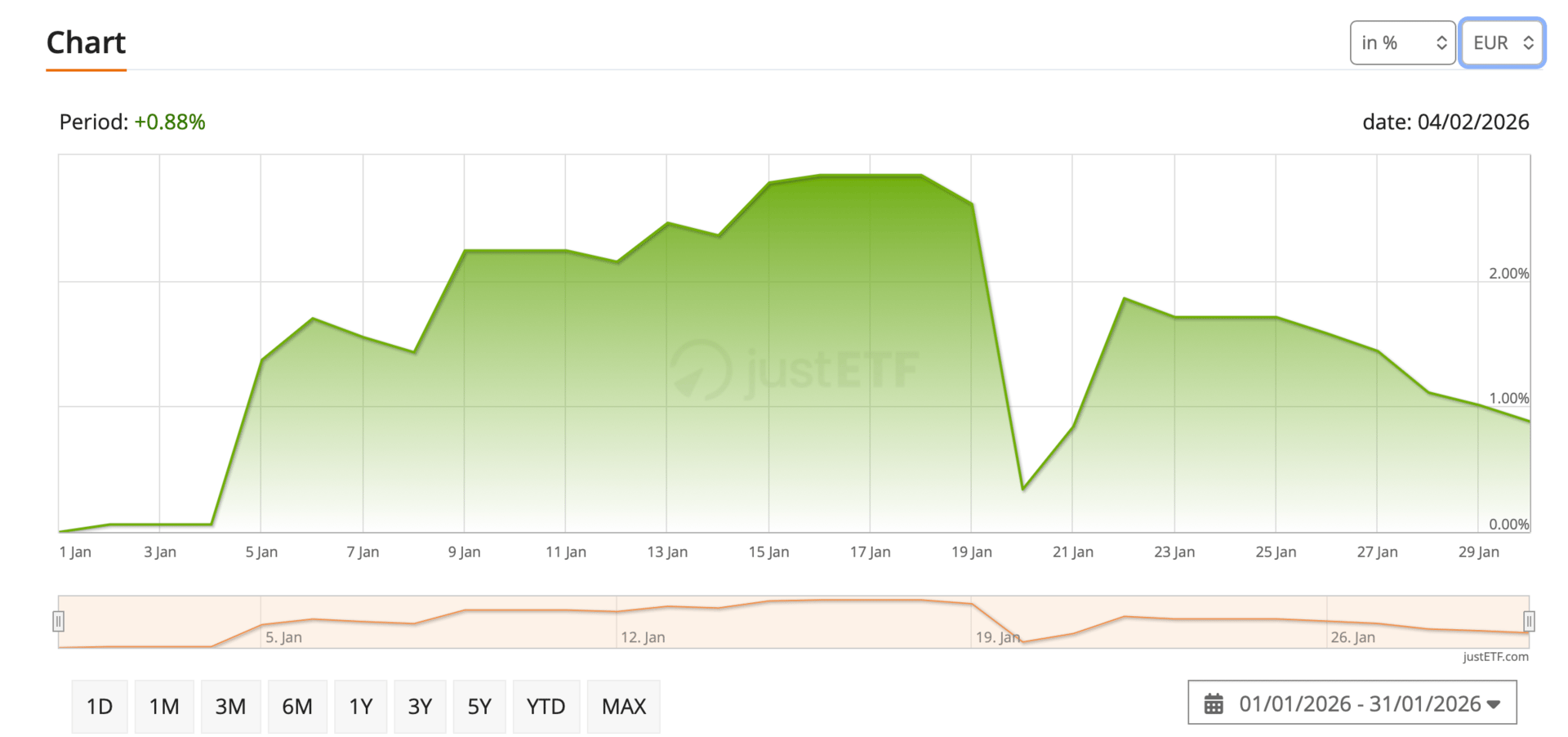
A positive month for the Vanguard FTSE All-World ETF (Acc). This month, the global index outperformed the S&P 500.
iShares Core S&P 500 UCITS ETF (Accumulating)
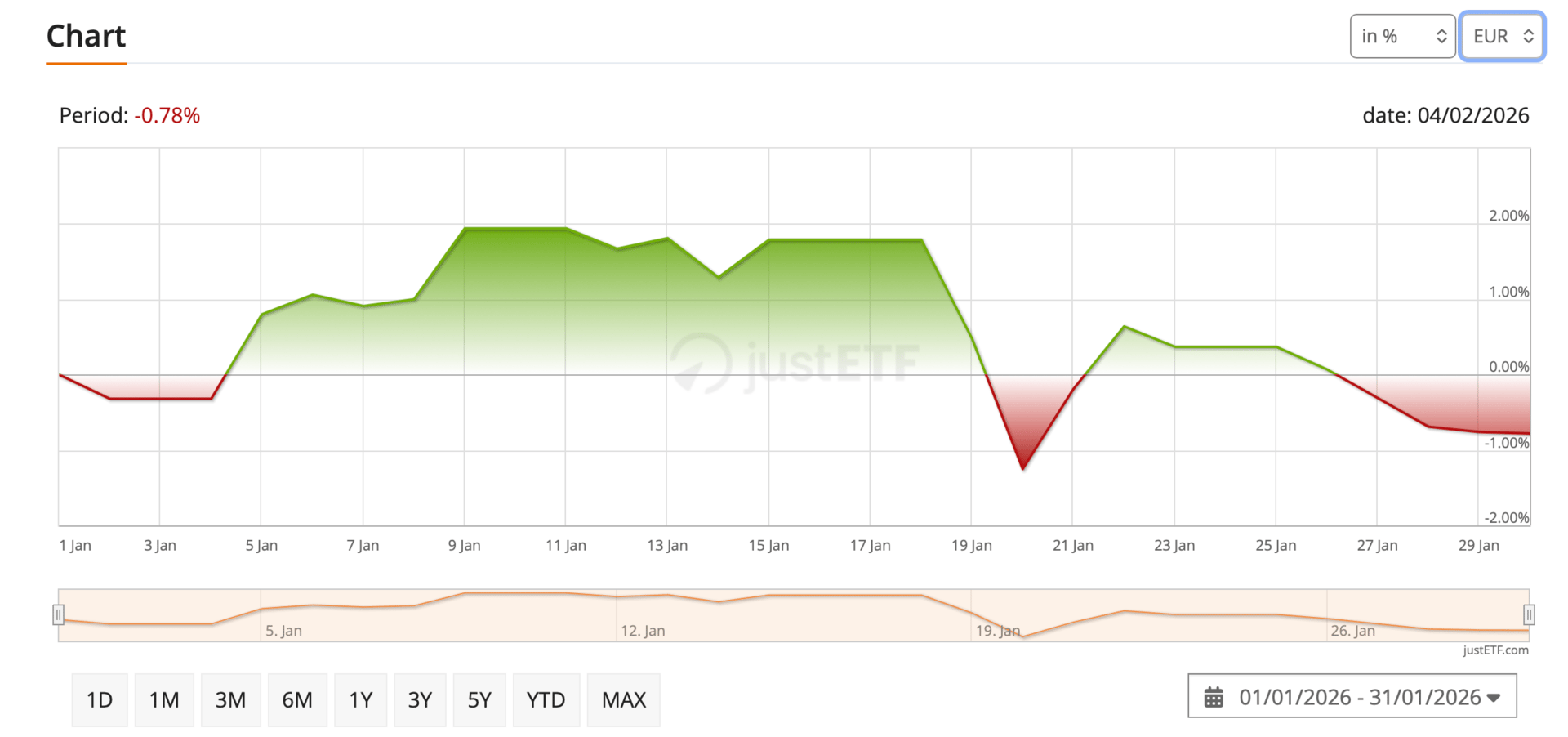
iShares Core S&P 500 UCITS ETF (Acc) - justETF.com
In January the iShares S&P 500 UCITS ETF was negative in Euro terms but positive in US dollar terms. We covered this currency effect in last month's newsletter. I believe that these effects will even out over time.
Vanguard EUR Corporate Bond ETF (Accumulating)
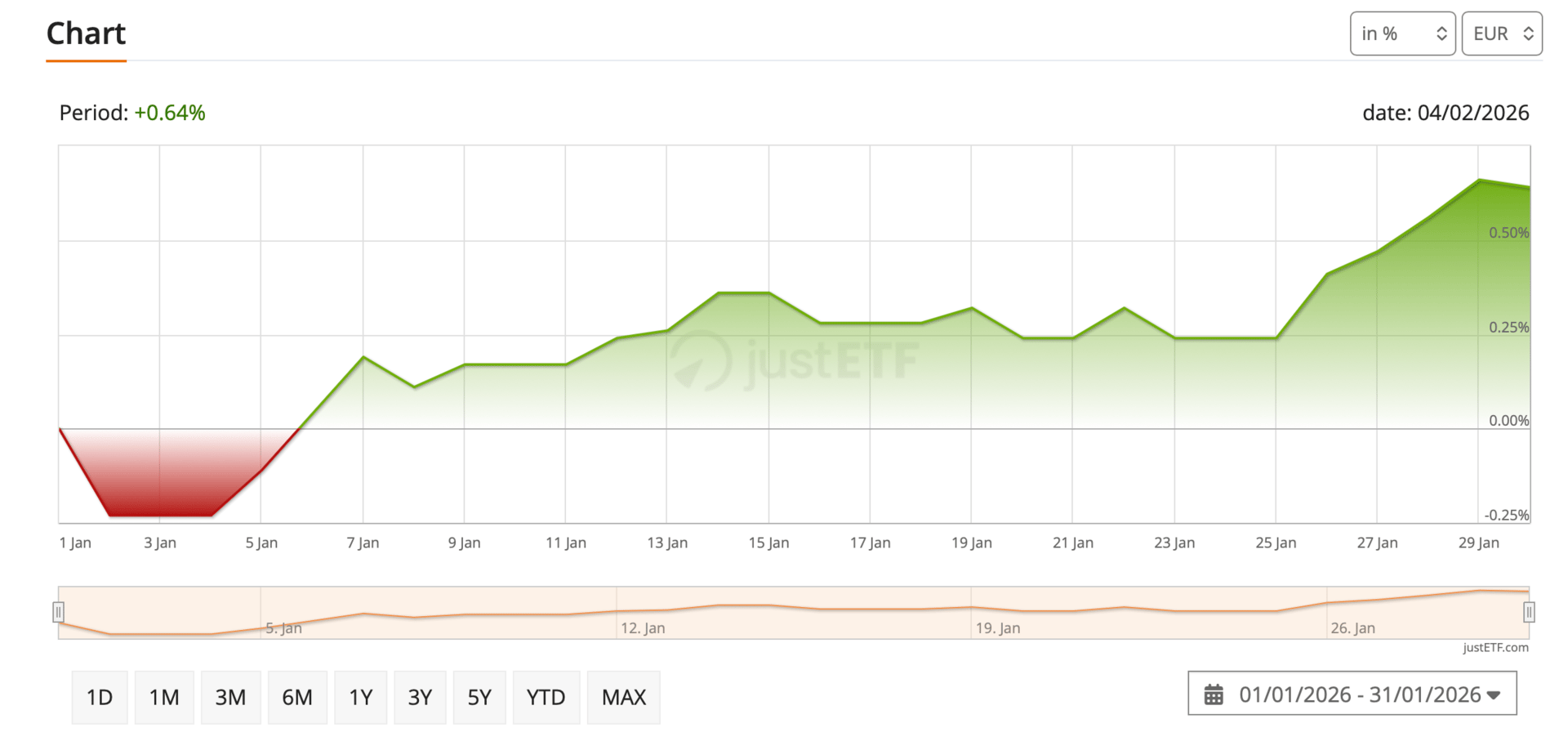
Vanguard EUR Corporate Bond ETF - justETF.com
A good month for the usually less volatile Vanguard EUR Corporate Bond ETF, which returned 0.64%.
Bitcoin Monthly Performance $BTC ( ▼ 1.57% )
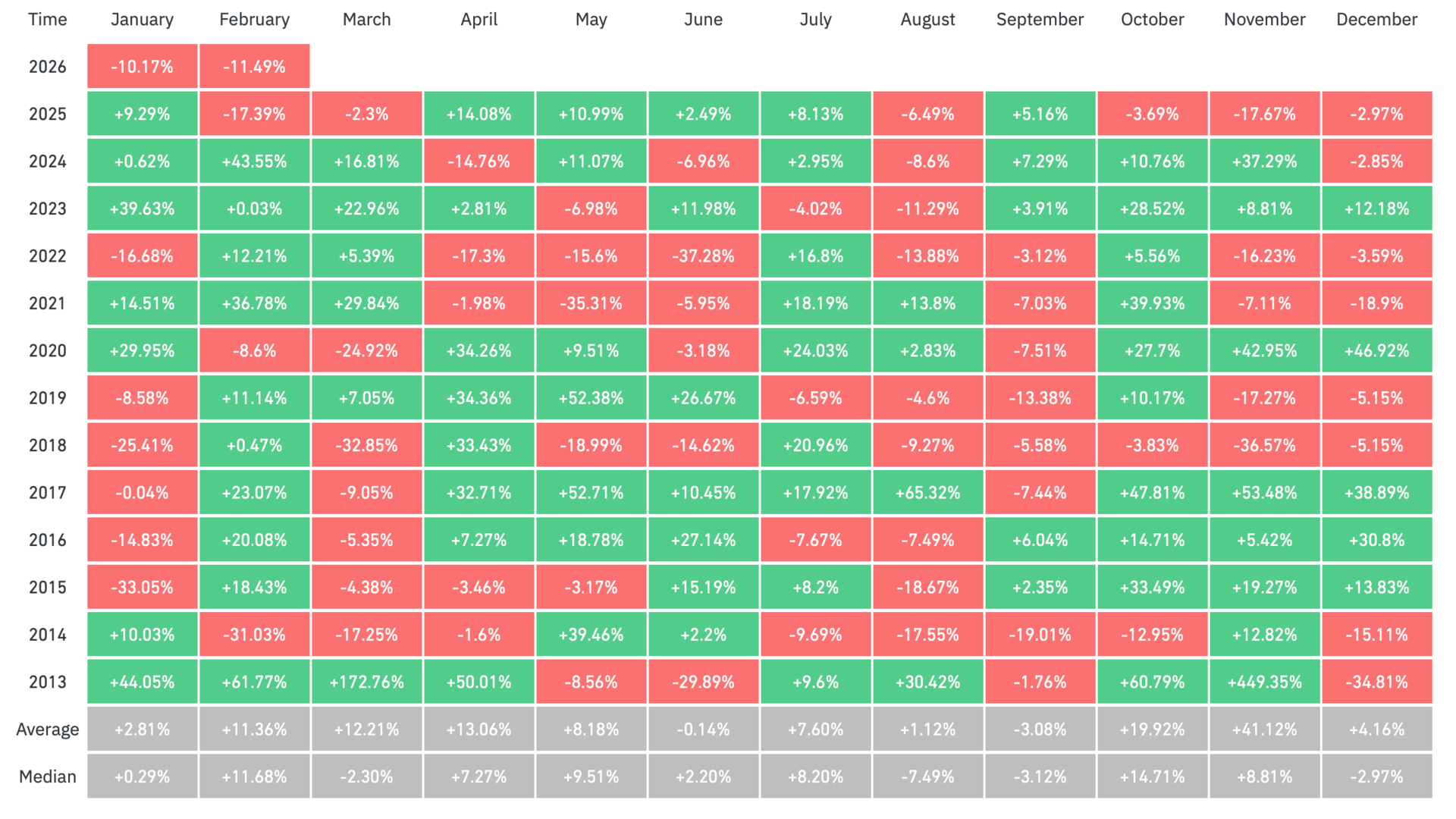
Coinglass
January was another negative month for Bitcoin - the fourth consecutive down month. However, at times like these it's important to remember that drawdowns of this magnitude are not unusual for Bitcoin's volatility patterns. February has also started negative, but we'll see how the month develops.

The Language of Money: 6 American and British Money Idioms

Why Digital Payments Shouldn't Erase Our Richest Expressions
I went to Cleveland, Ohio for 3 days before Christmas, and I did not take any local currency.
Italy is getting better with digital payments but I still would not be confident to go anywhere without cash. I had to leave my shopping in Lidl a few years ago because their card machine did not work. But in the USA I am confident to be able to pay for everything digitally.
The only exception might be tips for porters, but that wasn't needed because the hotel expected guests to take their own bags.
Money and Language
I hope that this move to digital money does not mean we lose the language of money.
So many of our expressions are based on physical money. These add a richness to our language, in my opinion. They are also important teachings for my Advanced and Proficiency students.
Let's have a look at some common money expressions and idioms in this newsletter.
The American Dime
The 'dime' appears in some American English idioms, but what is a dime?
The dime is the smallest American coin and worth 10 cents. The name comes from the Latin 'decimus', meaning tenth, as it represents one-tenth of a dollar. Despite being worth more than a penny (1 cent) or nickel (5 cents), the dime is physically smaller than both, making it easy to lose or overlook.
This small size is why 'dime' idioms often emphasise precision, speed, or something insignificant.
Dime Idioms in American Business English
1) 'Not worth a dime'
This idiom means something is completely worthless - not even worth 10 cents.
"I don't want to buy your car - it's not worth a dime."
2) 'Stop on a dime'
To stop very suddenly and precisely - imagine stopping a car in the space of a tiny dime.
"I can't believe the brakes on my new car - it can stop on a dime."
3) 'Turn on a dime'
To change direction or strategy very quickly. This idiom is commonly used in business contexts.
"When the market shifted, our company turned on a dime and pivoted to online services."
The British Penny
Of course, it is not just in America that money idioms are common.
In the UK, the smallest coin by value is the penny, worth one pence. The name comes from the Old English 'pending' and has been used in Britain for over 1,000 years. Unlike the American dime, the British penny is not the smallest coin by size - both the 5p and 10p coins are physically smaller despite being worth more.
However, like the dime, the penny's low value makes it the focus of many idioms about small amounts and careful spending.
Penny Idioms in British English
1) 'Penny wise, pound foolish'
Being careful with small amounts of money while wasting large amounts. Common in business when companies cut small costs but make expensive strategic mistakes.
"They were penny wise, pound foolish. They refused to pay for quality software but lost thousands in downtime."
2) 'In for a penny, in for a pound'
Once you start something, you should commit fully. Used in business when deciding whether to commit resources to a project.
"In for a penny, in for a pound. We've already invested £50,000 in this project so let's see it through."
3) 'Take care of the pennies and the pounds will take care of themselves'
If you pay attention to small amounts of money, the large amounts will naturally follow. This idiom emphasises the importance of managing small details carefully.
"Our CEO encourages us to save on even minor expenses. He believes if you take care of the pennies, the pounds will take care of themselves."
Do Idioms Cross the Atlantic?
British people will recognise and understand American idioms but probably won't use them naturally. In fact, they often have their own versions, such as 'turn on a sixpence' (referring to old British currency) instead of 'turn on a dime'.
The same applies in reverse - Americans will understand British idioms through international business contexts but typically use American alternatives in their own communication.
Conclusion
Language is like a living organism, meaning that it evolves and adapts as the world around us changes.
Yet idioms often outlive the objects that created them. We still say "hang up the phone" long after phones lost their hooks, and "dial a number" despite touchscreens replacing rotary dials. Physical money may disappear from our daily transactions, but the expressions it created will hopefully remain in English for generations.
As I returned from Cleveland I thought that losing physical money is inevitable but losing its language does not have to be.
As always, none of this is financial advice. Everyone should invest according to their personal circumstances, risk tolerance and financial goals.

Quote of the Day: Benjamin Franklin

Benjamin Franklin
This classic proverb also contains 'penny' and reflects my thinking. In business and personal life, I always try to make savings and put the money towards my investments.

We Value Your Feedback!
Your opinion helps us improve and lets you suggest topics or ask Business English questions for future issues.
How did you find this week’s newsletter? |
Word of the Day: Digital Payments
Digital Payments - noun phrase - financial transactions completed electronically without using physical cash or cheques; includes credit cards, debit cards, mobile payment apps, and online bank transfers.
"In Cleveland, I relied entirely on digital payments for three days without needing any physical currency."
Context and Usage: Digital payments have become the standard in many countries, particularly in the United States and Northern Europe. While convenient, the shift away from physical money raises questions about the future of money-related vocabulary and idioms in English. For business professionals, understanding both digital payment terminology and traditional money idioms remains essential.
Note: The term "digital payments" encompasses various technologies, from contactless cards to smartphone apps like Apple Pay, Google Pay, or banking apps. The rise of digital payments doesn't eliminate the need to understand traditional money vocabulary - it makes it even more important for cultural and historical context.
Common Collocations:
Digital payment systems - the technology infrastructure for electronic transactions
Modern digital payment systems have made international business transactions faster and more secure than traditional banking methods.
Accept digital payments - allow customers to pay electronically
Small businesses that accept digital payments often see increased sales compared to cash-only competitors.
Digital payment apps - mobile applications for electronic money transfers
Digital payment apps like Revolut and PayPal have become essential tools for freelancers working with international clients.
Shift to digital payments - transition from cash to electronic transactions
The shift to digital payments accelerated during the pandemic when contactless transactions became preferred for health reasons.
Business Example:
The restaurant updated its point-of-sale system to accept digital payments, reducing cash handling costs and improving transaction speed during busy periods.
Professional Context: In international business, digital payments facilitate cross-border transactions, though professionals should still understand traditional banking and currency terminology. The convenience of digital payments shouldn't erase our knowledge of the money idioms that enrich business English communication.
Interactive Quiz
How often do you use digital payments in your daily life? |
Which money idioms from this newsletter was new to you? |
Whenever you are ready, here is how I can help you:
We provide Business English lessons and Cambridge and IELTS preparation courses.
You can book a free 20-minute consultation with Iain over Zoom here:
Why not subscribe to our sister Business Fluency newsletter? It helps English students master essential business terms and provides practical strategies to boost your career prospects.


Disclaimer:
This newsletter is for informational and educational purposes only and should not be construed as financial advice. The information contained herein is generic and does not take into account your individual financial circumstances. You should always consult with a qualified financial professional before making any investment or financial decisions.
Additionally, the authors and/or publishers of this newsletter may hold investments in securities or other financial instruments mentioned herein. These are included for illustrative purposes only and should not be taken as a recommendation to buy or sell such securities or financial instruments.